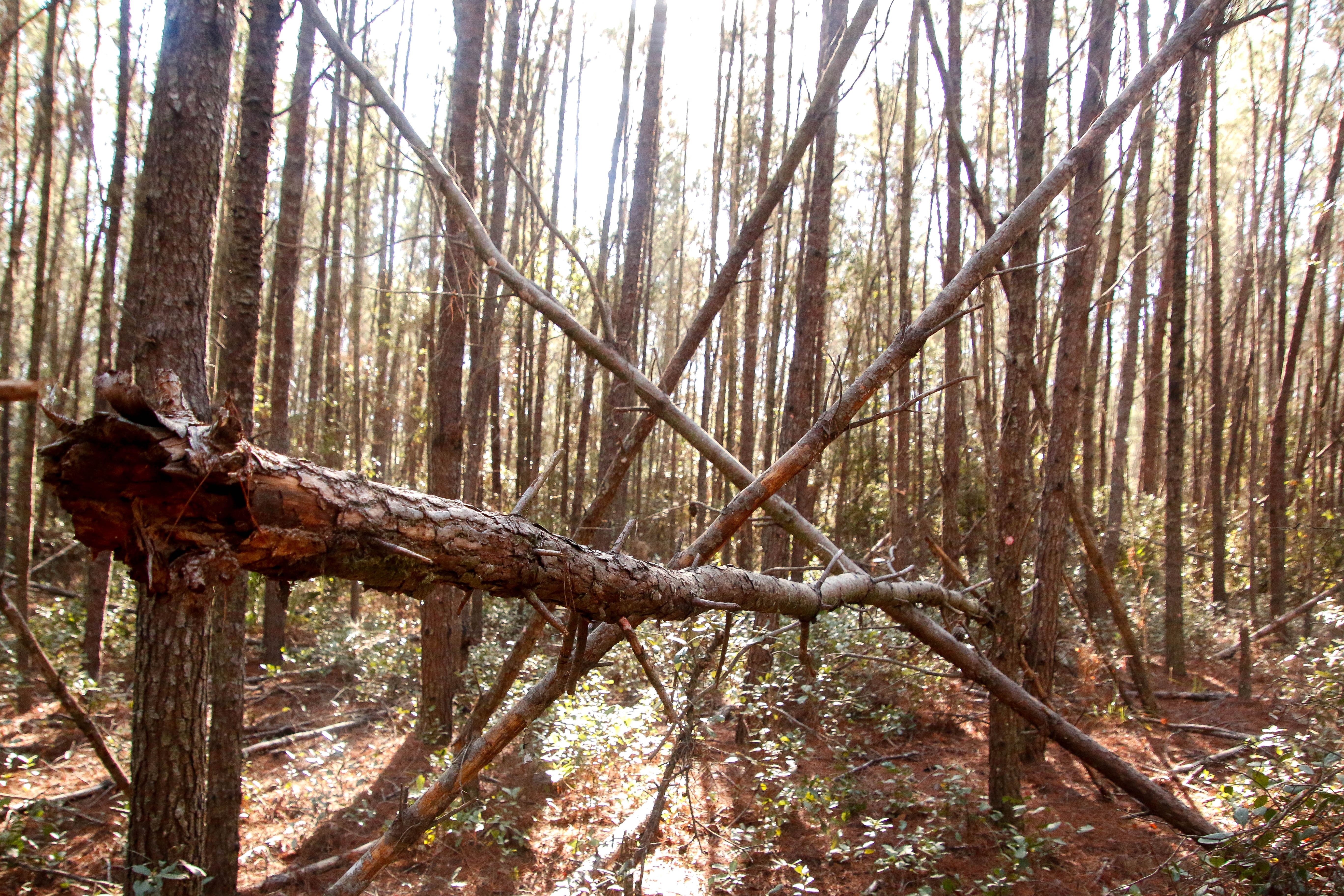
Cryptid & Paranormal Researchers · Central Florida

The forest keeps its secrets.
We go in after them.

Boots-on-the-ground researchers documenting the unexplained in the Ocala National Forest — 600 square miles of the oldest woodland east of the Mississippi. 20+ years of fieldwork. Evidence, not stories.

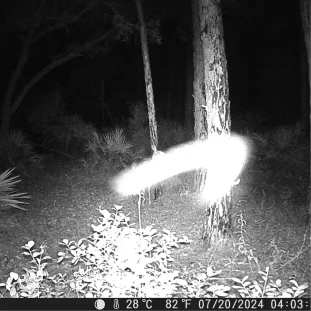
The forest person captured on camera in the Ocala National Forest — the photo behind our logo CASE FILE 001
The forest person — captured in our research area. Size verified by reenactment.

// Our Research

Out to prove nothing. Out to document everything.

We operate out of the in Marion County, Florida — land once walked by the Timucua, whose folklore of "little people" still echoes here. We collect field data, audio, photo, and video evidence daily, collaborate with researchers nationwide, and share everything: podcasts, library presentations, documentaries, and Bigfoot conventions. Open-minded. Methodical. Boots on the ground.

Follow our daily research on Facebook →
What is the Ocala National Forest?

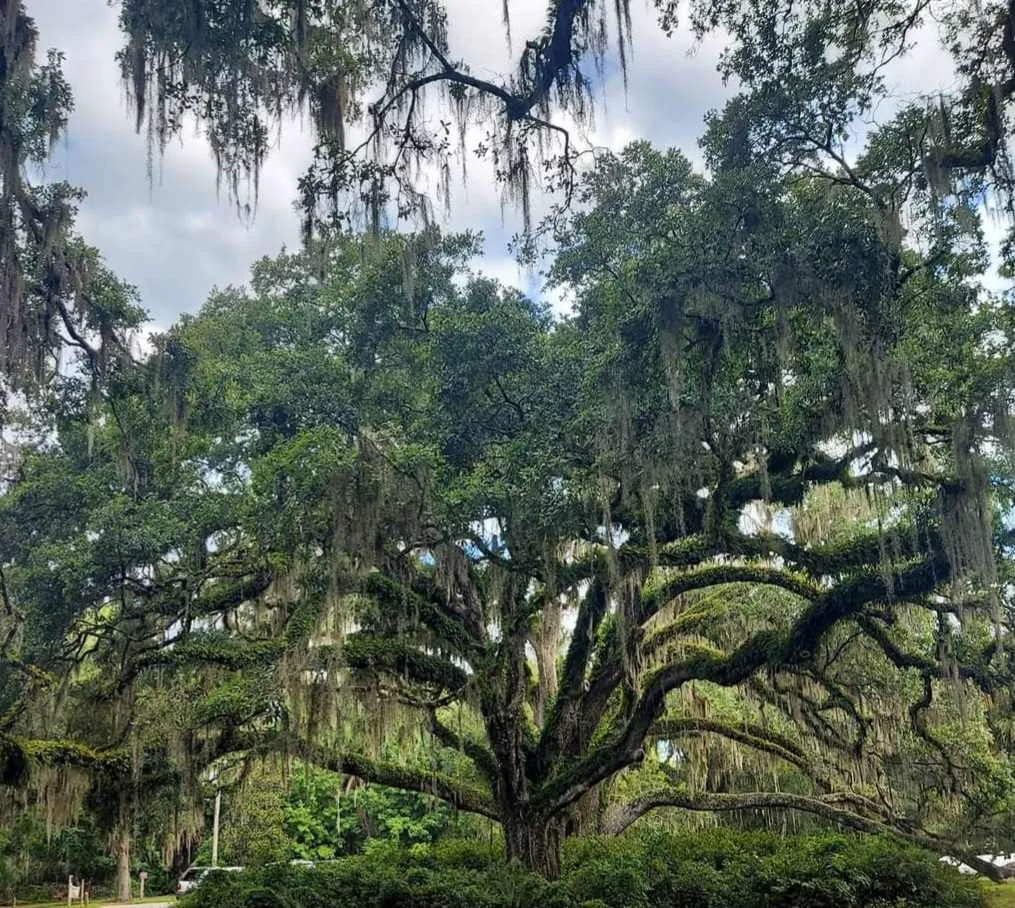
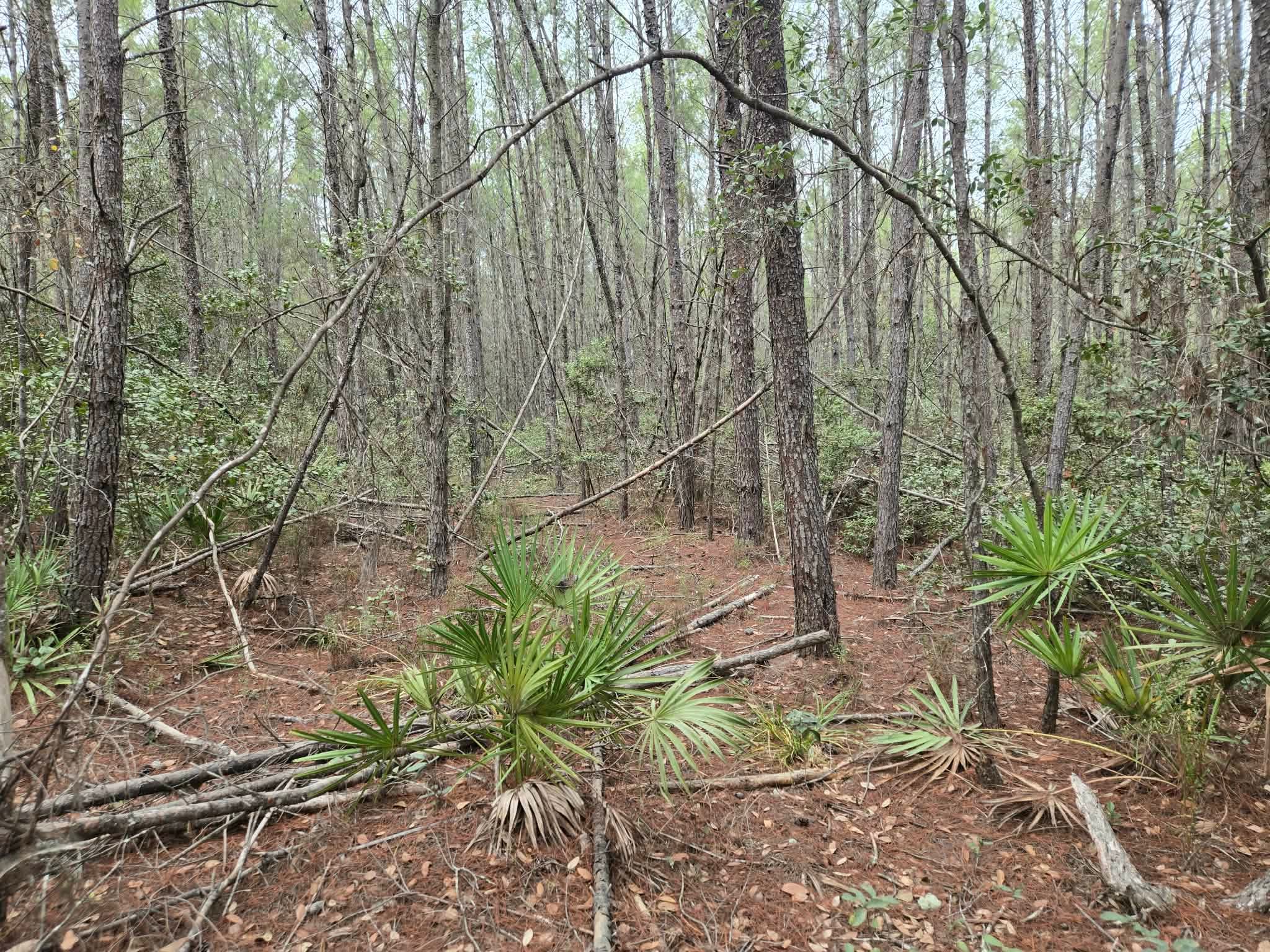
Established in 1908, the Ocala National Forest is the oldest national forest east of the Mississippi and Florida's second largest — 607 square miles holding the largest concentration of sand pine in the world and more than 600 natural lakes and ponds. Its porous sands and undeveloped lands serve as a vital recharge for the Floridan Aquifer.

The forest is home to one of Florida's largest concentrations of black bears, alongside alligators, boars, bobcats, coyotes, and white-tailed deer. Inside it sits the Navy's Pinecastle Range — the only place on the East Coast where live-impact training is permitted, with nearly 20,000 bombs dropped per year inside a fenced 5,760-acre zone.

Each year roughly 2,500 acres of sand pine (about 400,000 trees) are harvested, and the cleared scrub becomes perfect habitat for the endangered Florida Scrub-Jay. In 1935, a lightning strike here sparked the fastest wildfire in U.S. history — 35,000 acres destroyed in under four hours. Controlled winter burns now keep the forest in balance.

600+Square miles of research area
20+Years of field experience
Expeditions every week
Questions still open
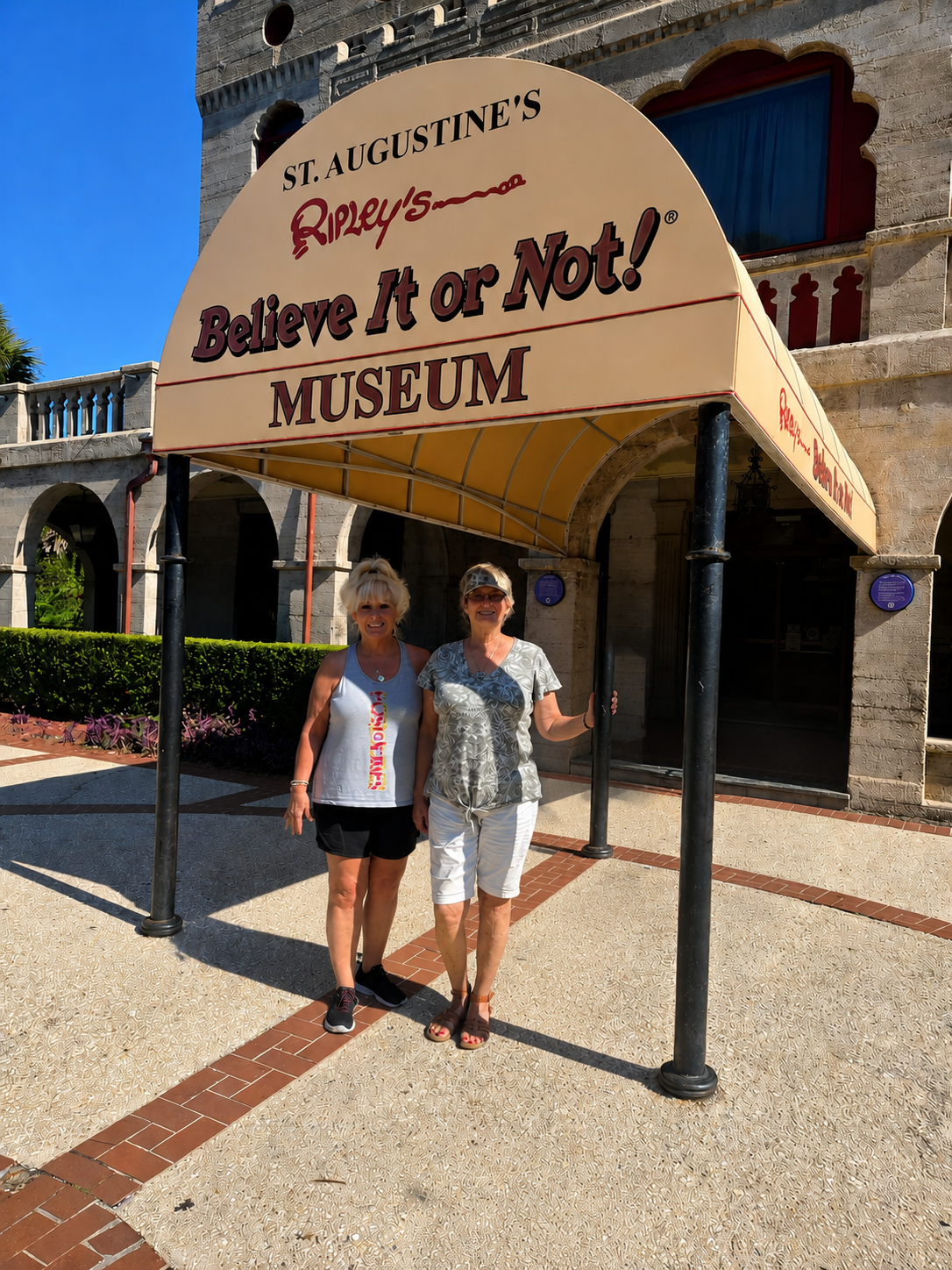
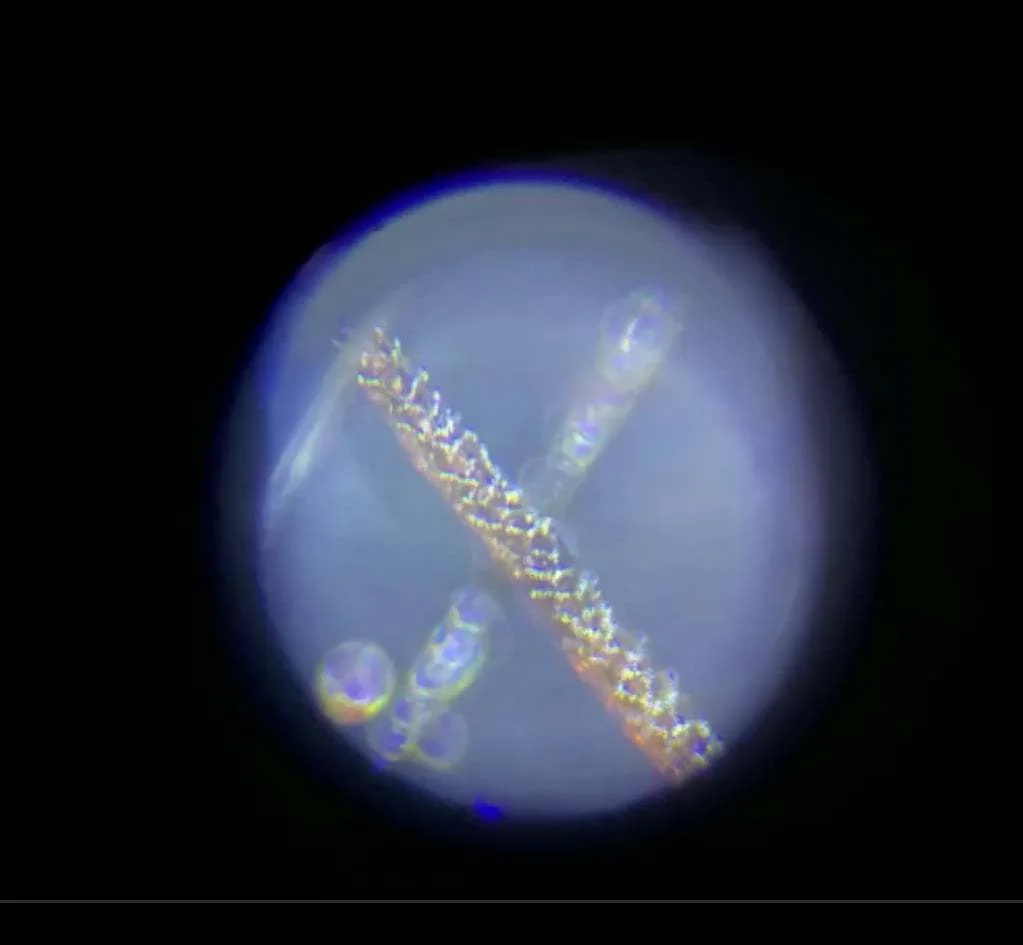
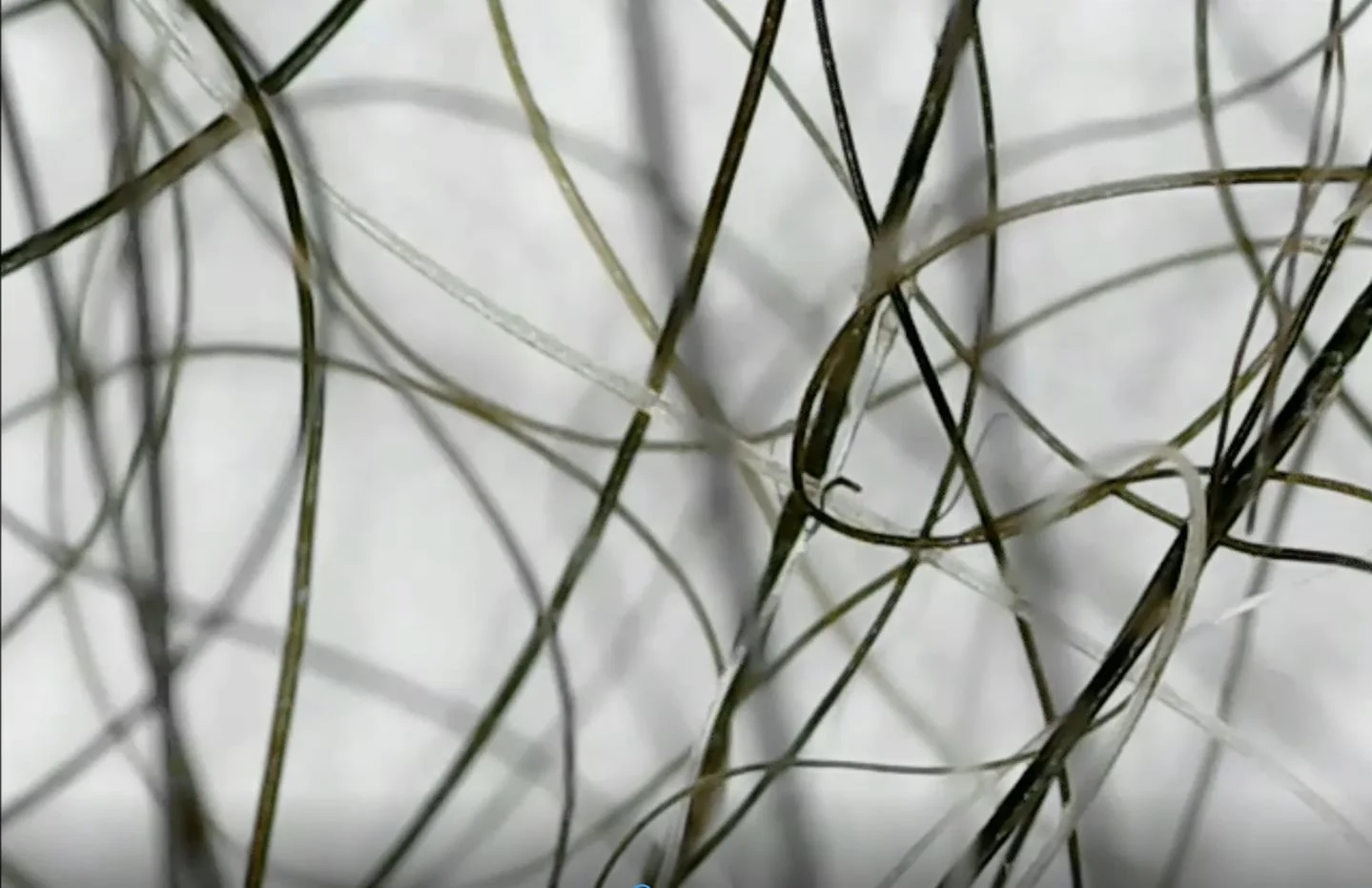
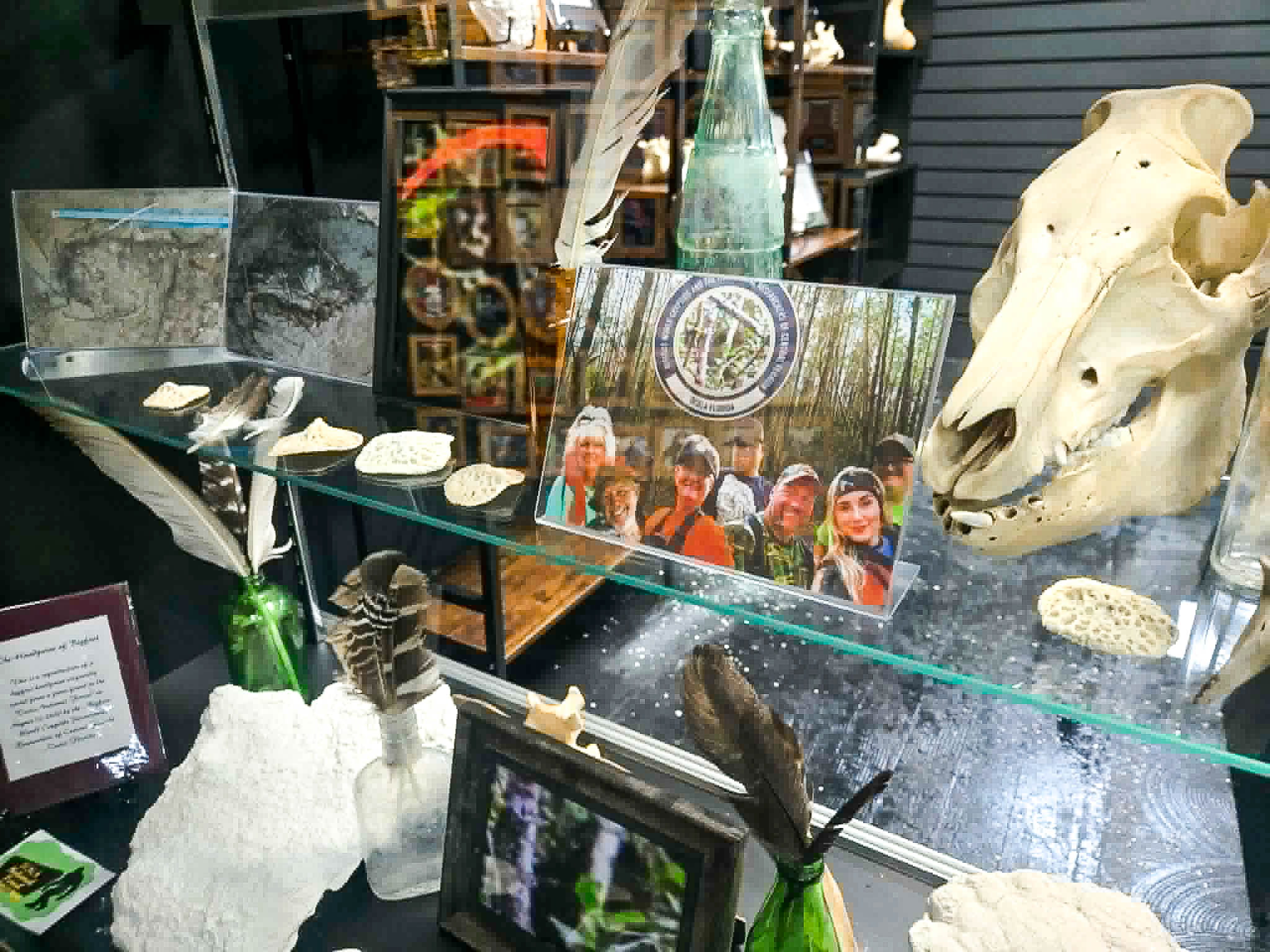
Two of our researchers at the Ripley's Believe It or Not! Museum sign in St. Augustine Microscope analysis of the hair sample proven to be Bigfoot hair

// Proudly Featured In

Ripley's Believe It or Not! Cryptids — St. Augustine, FL

There you'll find hair samples our research group recovered from a tire in the Ocala National Forest — sampled and proven to be Bigfoot hairs. Go check it out for yourself!

Watch the Hair Analysis →

// What We've Captured

The evidence file

Reviewed by dedicated photo analysts and documented in the field. Tap any file to open it.

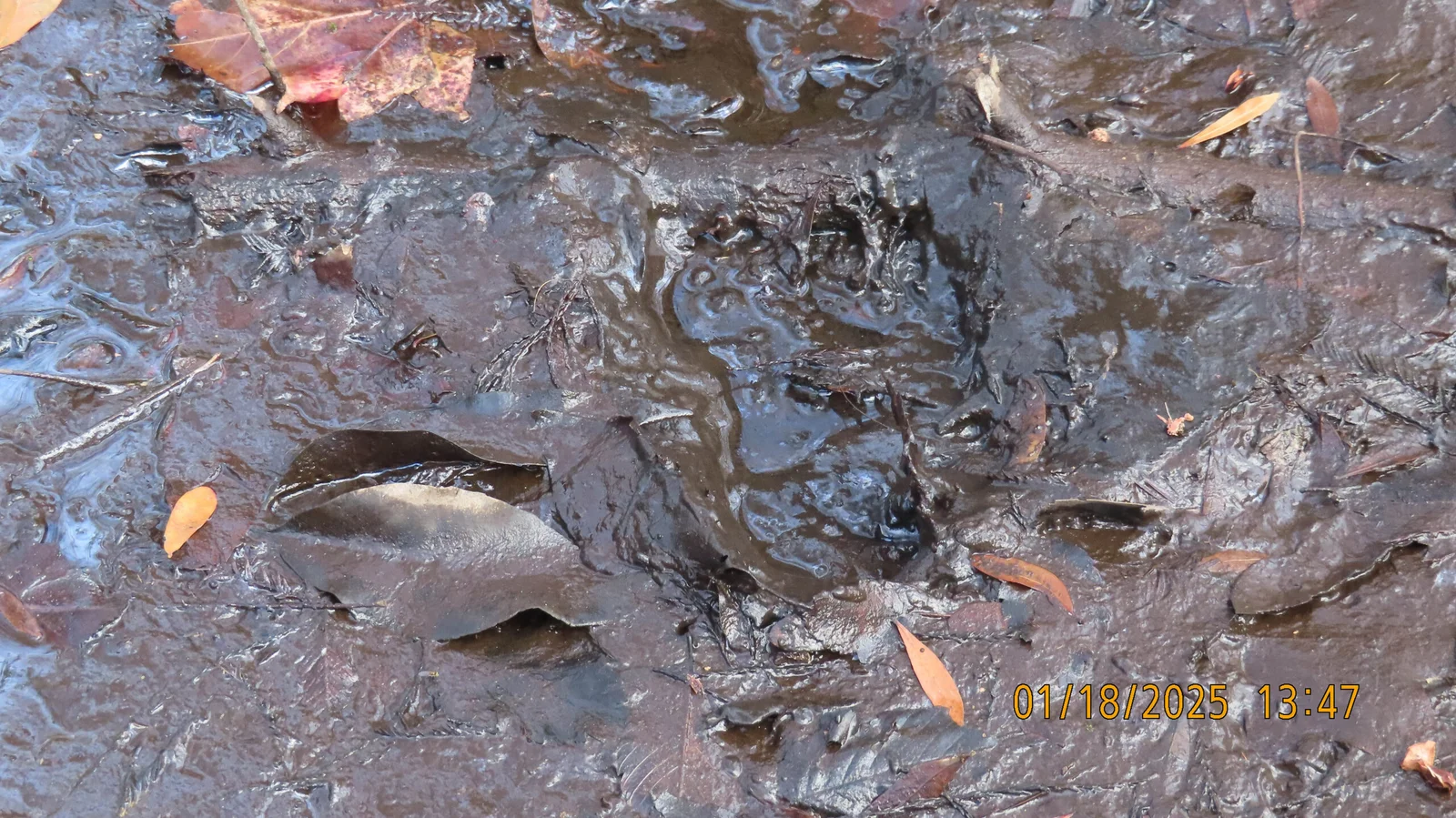
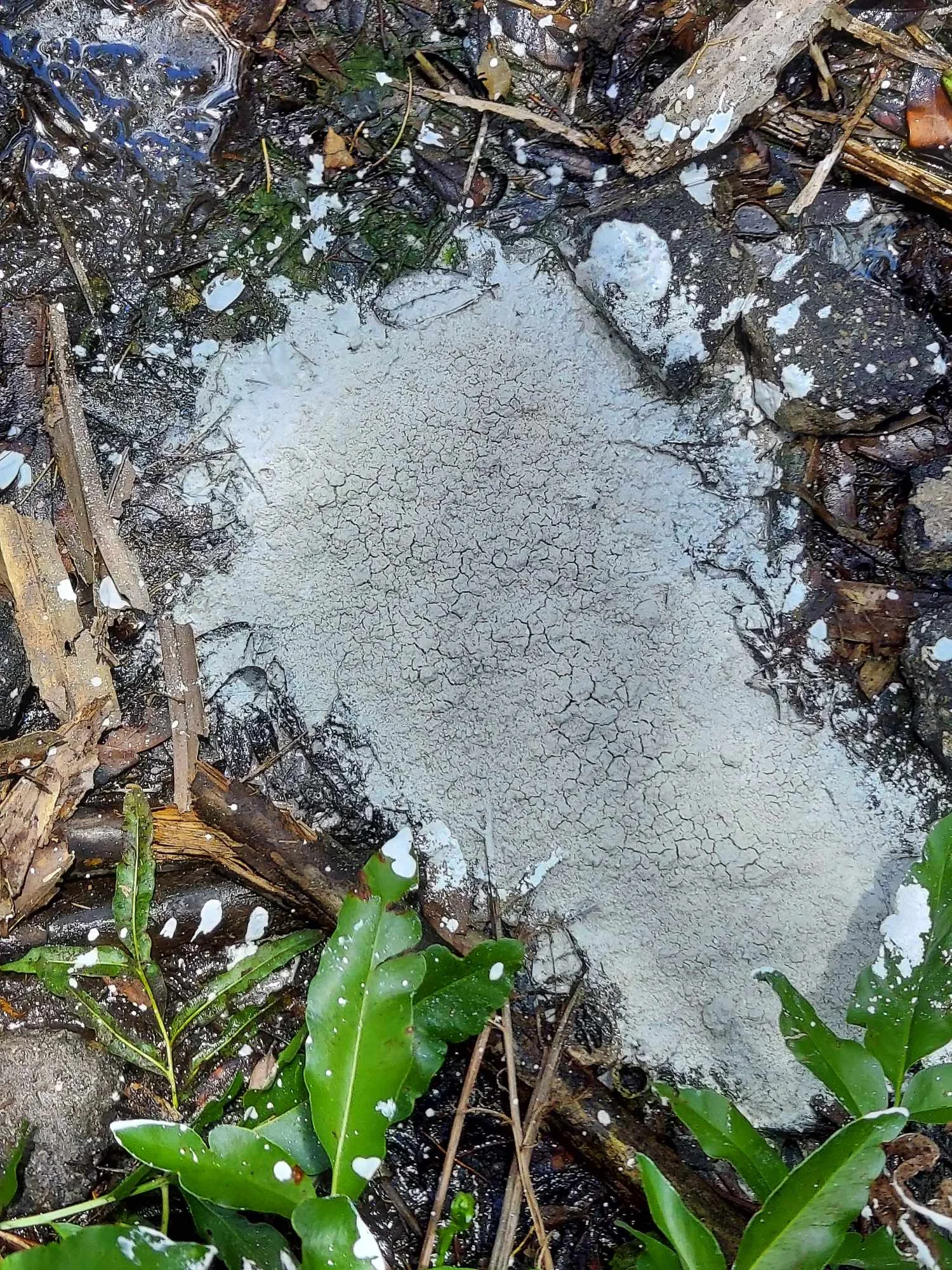
From track impressions and prints to structures too deliberate to be natural, hunt tags untied and moved from tree to limb, and photos and video of orbs and unknown beings — we document it all. Our REM pods and EMF detectors trigger moments before vocals begin, often as dozens of orbs appear in frame. Several photo analysts dedicate hours to reviewing our images, circling and outlining what's hiding in plain sight. We even reenacted our logo capture of a forest person to prove its size on film. Hear the day and night audio for yourself on our YouTube and Facebook.

// Featured Footage

The hair sample analysis

Field footage straight from our research areas. Browse the full photo set on the gallery page.

Featured footage: the hair sample analysis

The full analysis of the hair our group recovered from a tire off trail — the same sample now displayed in Ripley's Believe It or Not! Cryptids in St. Augustine.

// Meet the Group

The researchers in the woods

From the Gulf Coast to Central Florida — in the field at least twice a week.

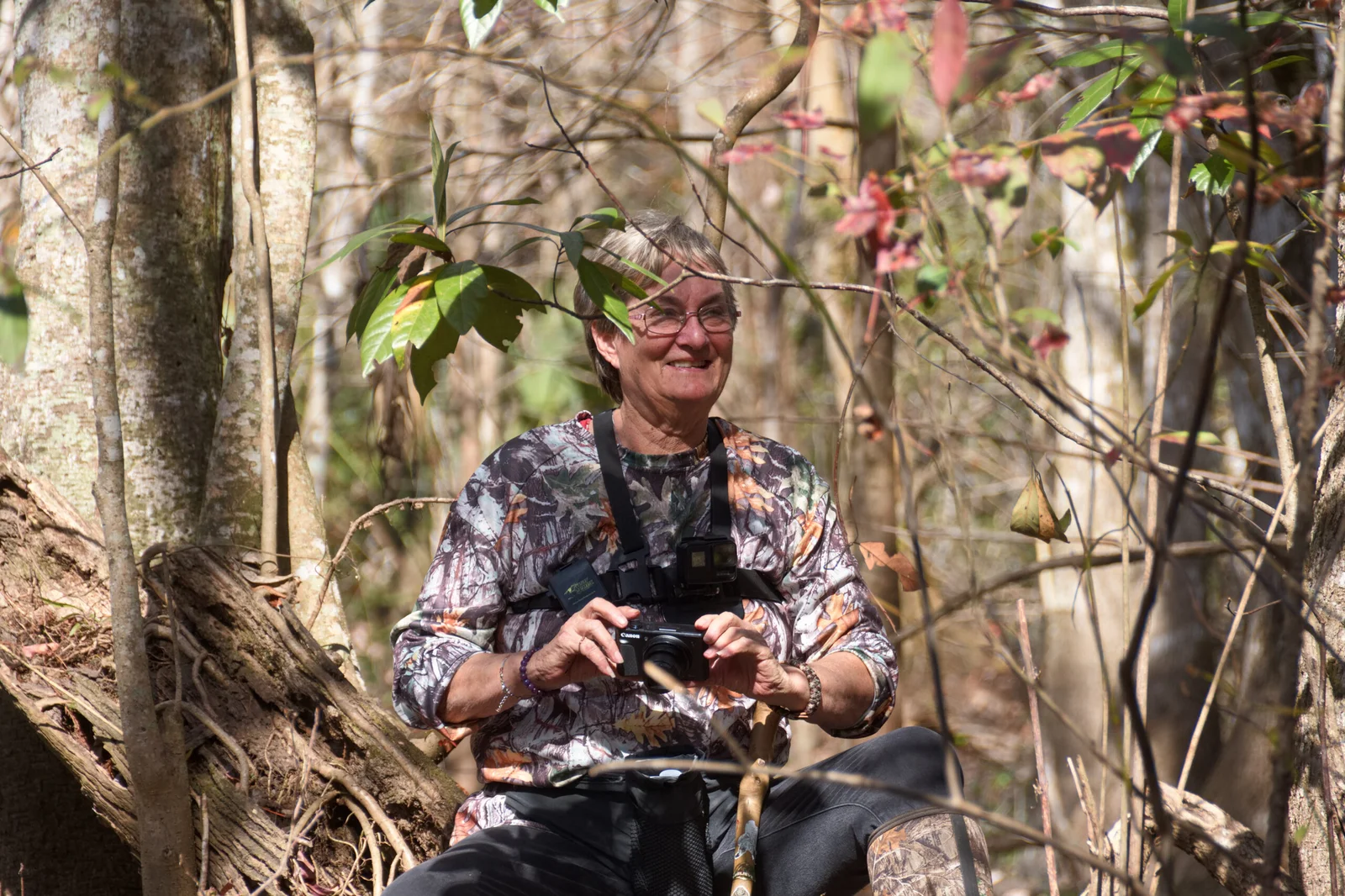
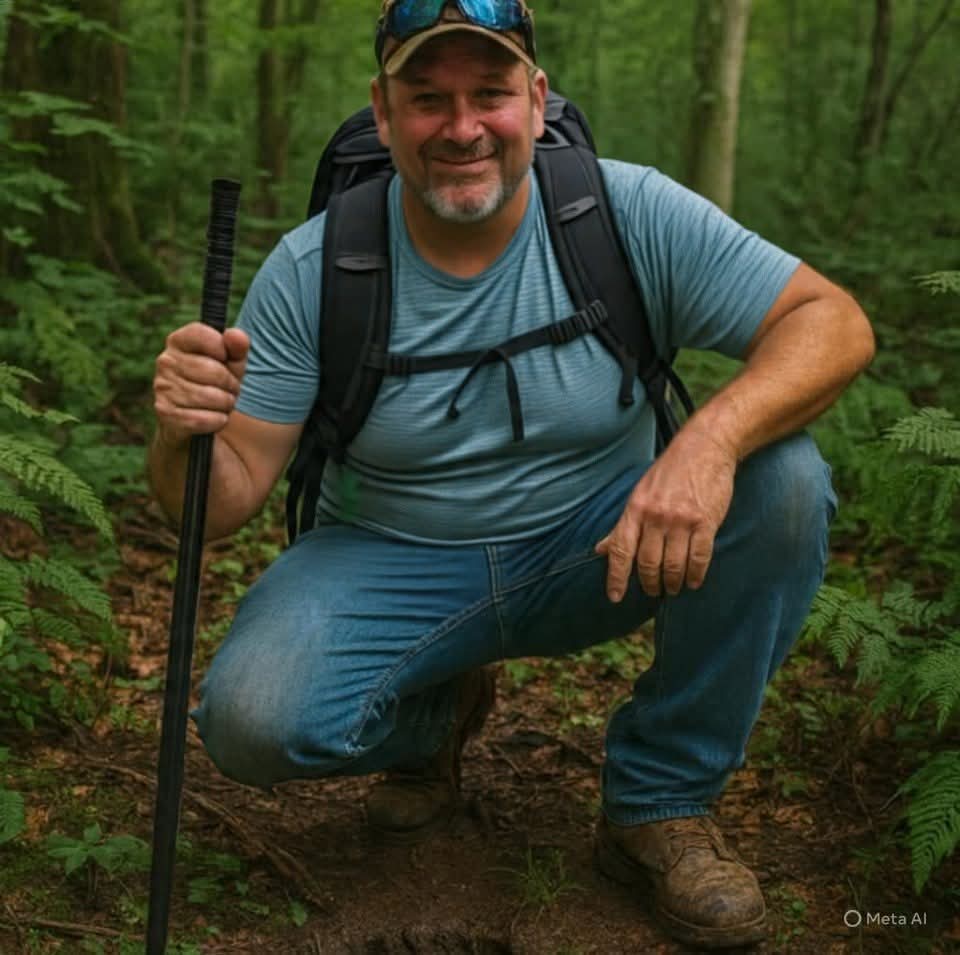
Kathy Westerman in the Ocala National Forest

Kathy Westerman

Founder · Field Researcher

30+ years living with her home backing up to the Ocala National Forest. A photographer and former traveling paranormal investigator, Kathy has spent years building a relationship with the forest people — casting a hand print in her research area and capturing the photo that became our logo.

Pamela Esper on a research hike

Pamela Esper

Field Researcher · Anthropologist

With Bigfoot World since 2019. Pamela grew up on Pennsylvania's Chestnut Ridge during the activity-heavy 1970s and has followed the subject ever since. In Florida, she researches the elusive skunk ape and brings an anthropologist's love of the history hidden in these woods.

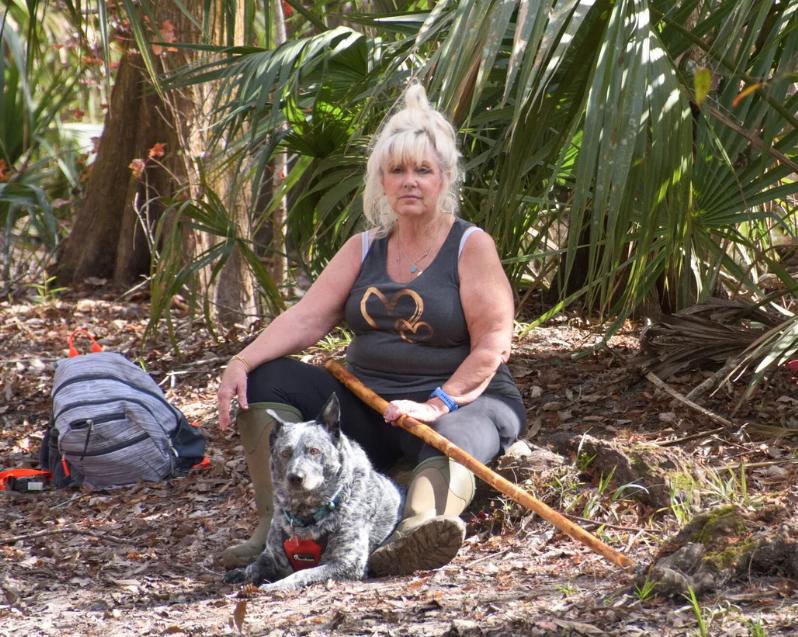
Rebecca Rollyson and her dog Teddie on the trail

Rebecca & Teddie

Field Researcher · K9 Field Unit

A respiratory therapist with a theology degree, Rebecca joined the research to share the adventure with her dog Teddie — and found they make a natural team in the field. She believes these creatures descend from the Nephilim of old.

Teddie — Bigfoot hunter. Survived a tornado at 8 weeks old. Originally from Georgia, now a Florida local. Not afraid of gators or Bigfoot.

James documenting in the forest

James

Field Researcher · Sensitive

A lifelong sensitive who saw spirits as a boy, James spent decades cleansing homes and was ordained in 2011. His first Bigfoot encounter came at 17, and he's been walking game trails and observing cryptids and forest spirits ever since.

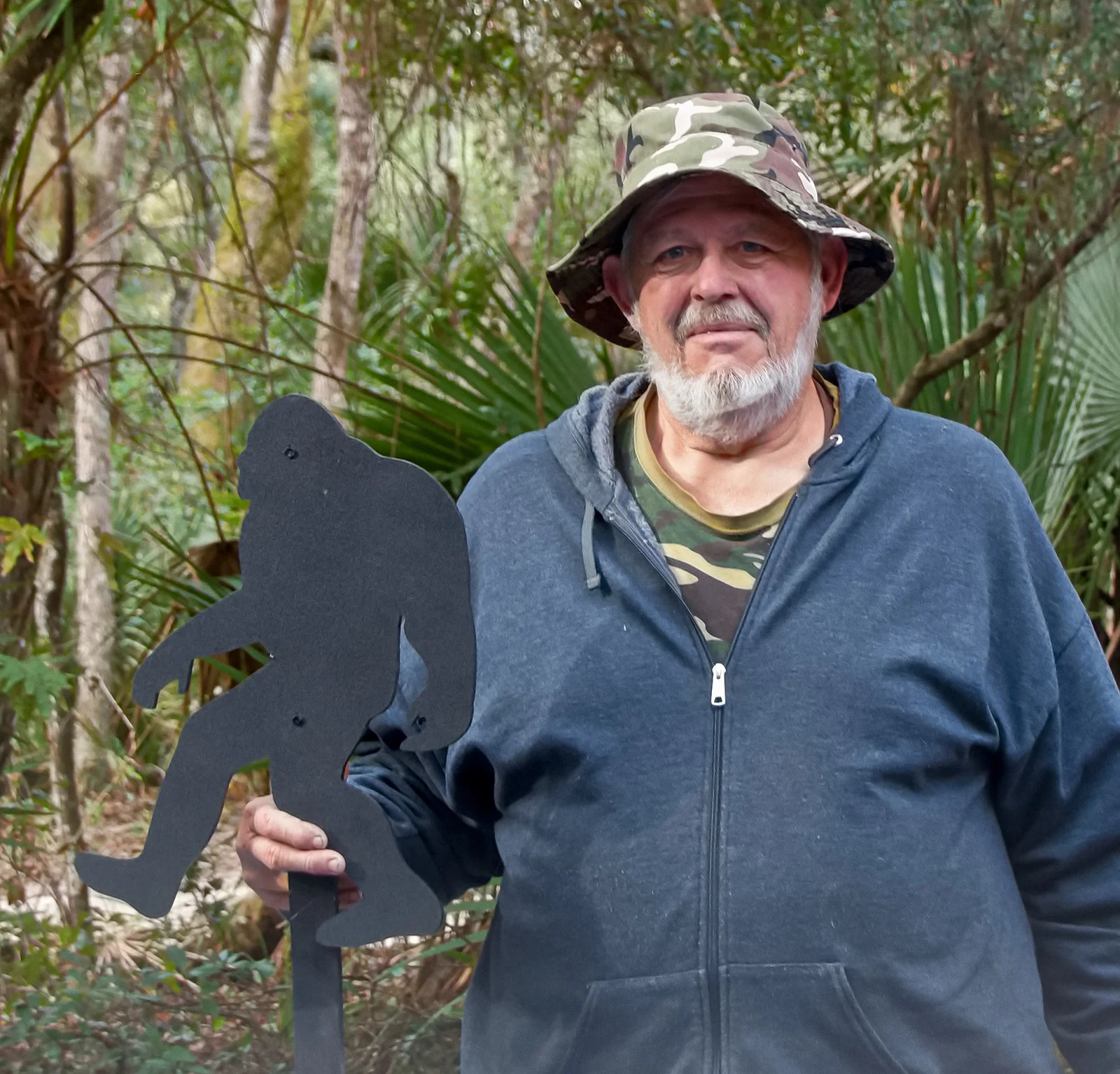
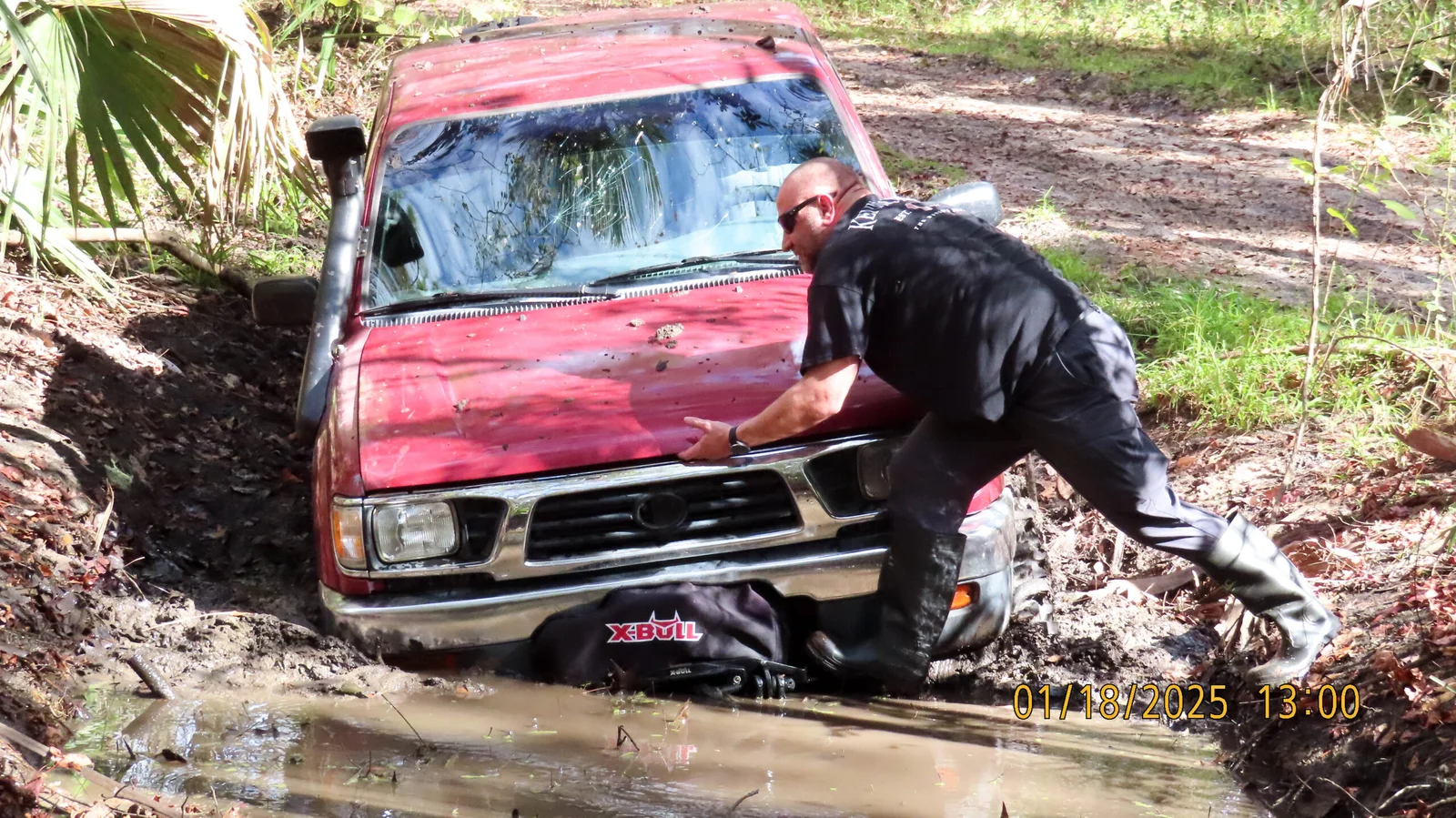
Dan in the field

Dan

Field Researcher · Outdoorsman

Hooked since his teens by his grandfather's stories from the Pocono Mountains, Dan carries that legacy forward by sharing his own encounters with fellow truth-seekers. When he's not hunting for Bigfoot, he's shooting archery, kayaking, or fishing.

Brooke Moreland at the Dark Florida booth

Brooke Moreland

Field Researcher · Host, Dark Florida

Creator and host of the Dark Florida podcast, Brooke investigates the mysteries of the Sunshine State and beyond — collaborating with researchers and witnesses across the country. An avid hiker bridging the gap between skepticism and belief.

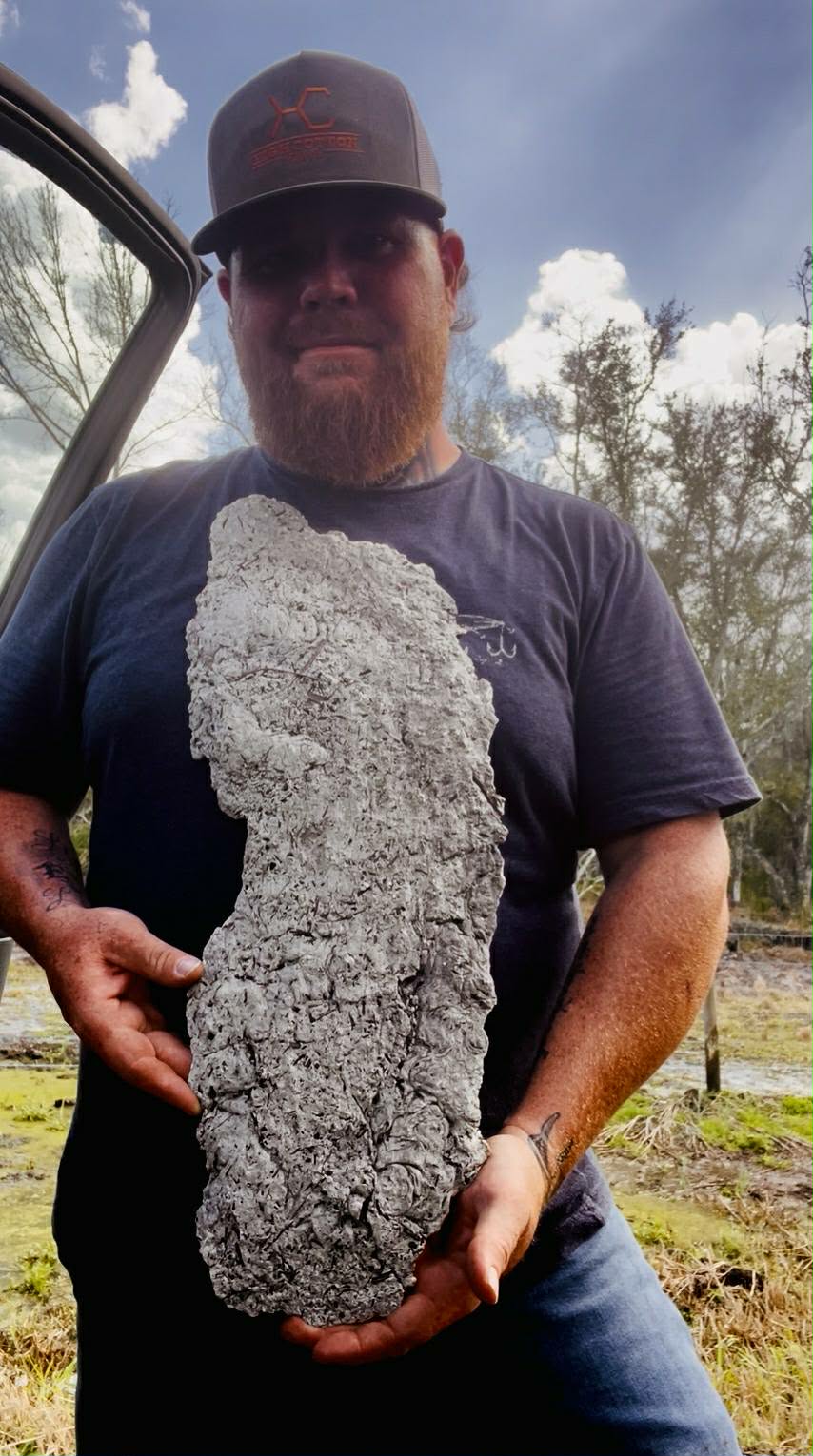
Jesse Johnson holding a footprint cast in the field

Jesse Johnson

Field Researcher · Tracker

Born in West Palm Beach and raised in Okeechobee, Jesse grew up on farms and ranches — hunting, fishing, and listening to small-town talk of strange things in the woods. He found his first Bigfoot tracks as a kid and had his first sighting in 2014 in northwest Georgia. He's researched cryptids and the paranormal ever since, driven to understand the misunderstood and help others make sense of their own encounters.

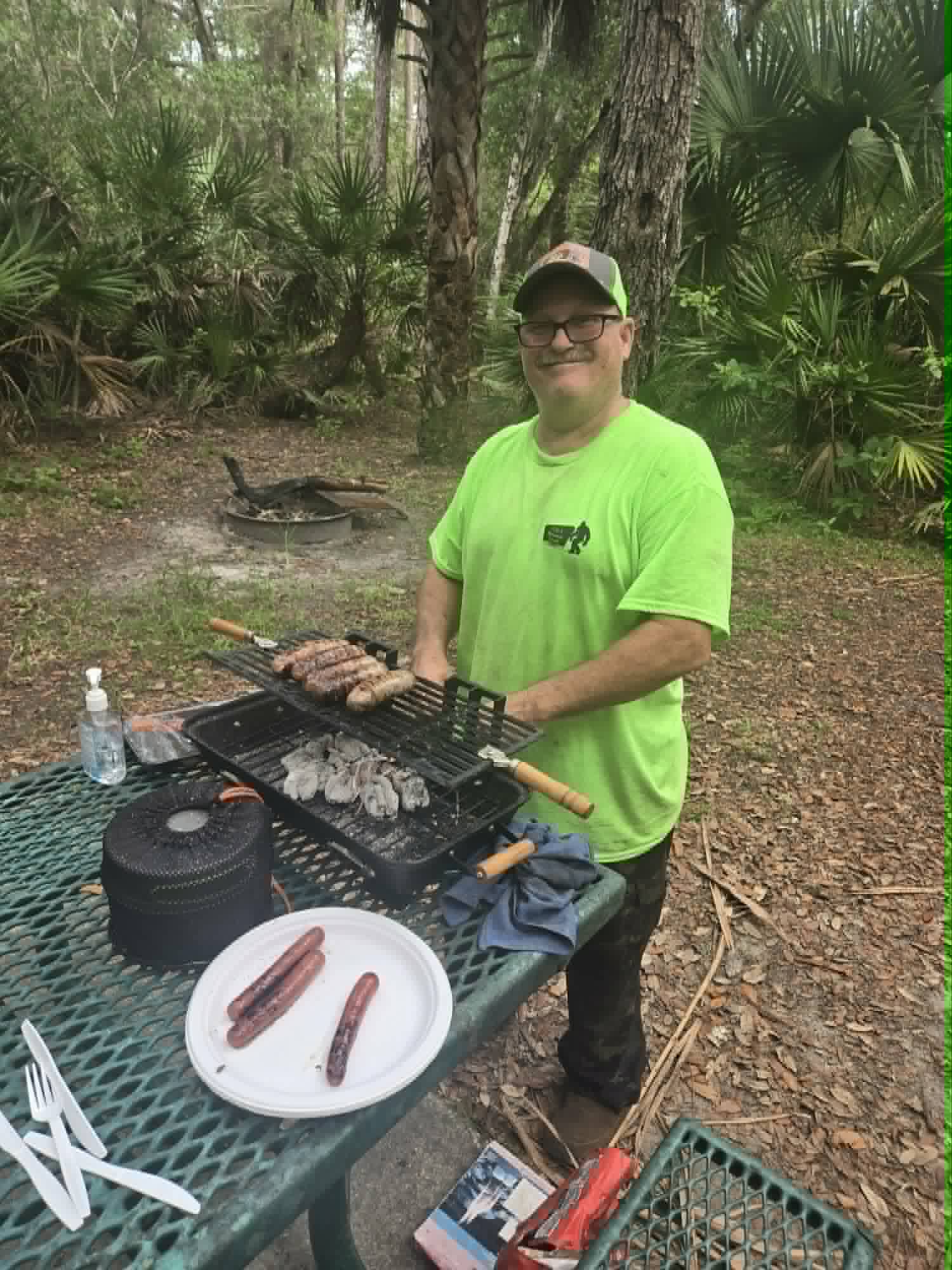
Alan Hendricks — VARMIT — in the field

Alan Hendricks

Field Researcher · "VARMIT"

Based in Crawfordville, FL, Alan earned his nickname VARMIT from simply spending too much time in the woods. When he's not hunting for Bigfoot he's fishing, kayaking, trail riding in his truck and SxS, or camping and exploring new territory. Drawn equally to cryptid research and the paranormal, Alan is always looking for the next place to find something that can't be explained.

// The Legend

Older than recorded history

Long before a 1958 newspaper story coined "Bigfoot," Native nations across North America told of a giant, hair-covered figure in the woods. In 1811, a British explorer documented enormous footprints — and the mystery has never let go since.

Settlers through the 1800s and 1900s reported the same things we still find today: huge prints, fleeting glimpses, grainy images. Witnesses describe everything from an upright ape to a hairy man over eight feet tall, powerfully built.

Across cultures, one thread repeats — the figure appears as a messenger of warning, telling man to change his ways. Here in Central Florida, the Timucua left their own stories in this forest. We believe some of them are still being told.

// First People of the Forest

The Timucua & the one-legged ones

Long before our cameras and casts, this land had its keepers. The story of the Ocala runs twelve thousand years deep.

12,000 yrs ago

Paleoindians lived in a much larger, much cooler, and drier Florida.

9,000 yrs ago

Florida began to warm and the glaciers melted. Native cultures started burying their dead in wetland cemeteries.

4,000 yrs ago

Sea levels and climate approached modern conditions. Settlements became possible, pottery appeared, and people could hunt, gather, and grow limited crops in one place.

By the 1500s

These cultures had developed into powerful chiefdoms — including the Timucua.

The Timucua hunted, gathered, and farmed across the forests and swamps of Central Florida. They were mound builders — most of the mounds held their dead, while others were used as places of refuge.

Their god was Yayjaba, who created bottom-dwelling creatures to hold the land in place below the water, and trees — the one-legged ones — to anchor the land above it. The one-legged ones were given the gift of life anywhere on Earth.

All the animals of the Earth — birds and insects among them — came from the Great Cave, and were ordered to respect the one-legged ones. Any show of disrespect, and they would be destroyed by flood, dust, or drought.

Ocala is a Timucua word meaning "Fair Land" or "Big Hammock."

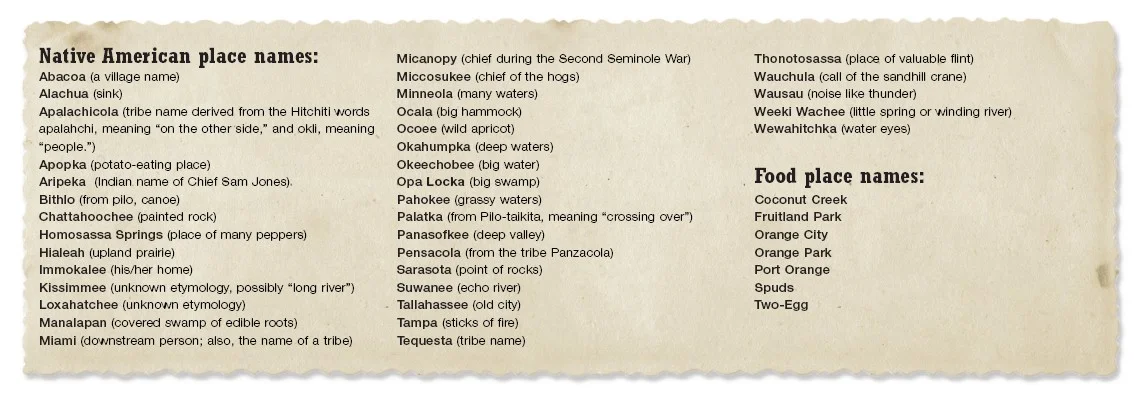
Vintage chart of Florida's Native American place names and their meanings
Native American place names of Florida — and what they mean. Tap to read.

// Join or Fund the Search

Research runs on donations

Want to walk the forest with us? Donors can join real expeditions and collect evidence alongside our group. Can't make it out here? Your donation buys the gear that keeps us searching.

BUG SPRAY HIKING BOOTS IR CAMERAS BATTERIES AUDIO RECORDERS
Donate Now →

// Contact Us

Had an encounter? Tell us.

Our encounters have been incredible. Sitting in complete darkness, we've had massive bipedal movement come toward us — more than once — alongside wood knocks, tree slaps and snaps, whistles, grunts, growls, chirps, and day and night whoops. Some vocals were right beside us; others surrounded us from all four directions. We've even heard what seems like them mimicking forest creatures — a non-nocturnal bird call in the dead of night. As an open-minded group, we feel blessed by these experiences with the forest people, and we hope for many more.

Find us in the field — or online

We report from the Ocala National Forest and surrounding Marion County areas. Encounters in this region are exactly what we're here to document — no report is too strange.

// Nature & Well-Being

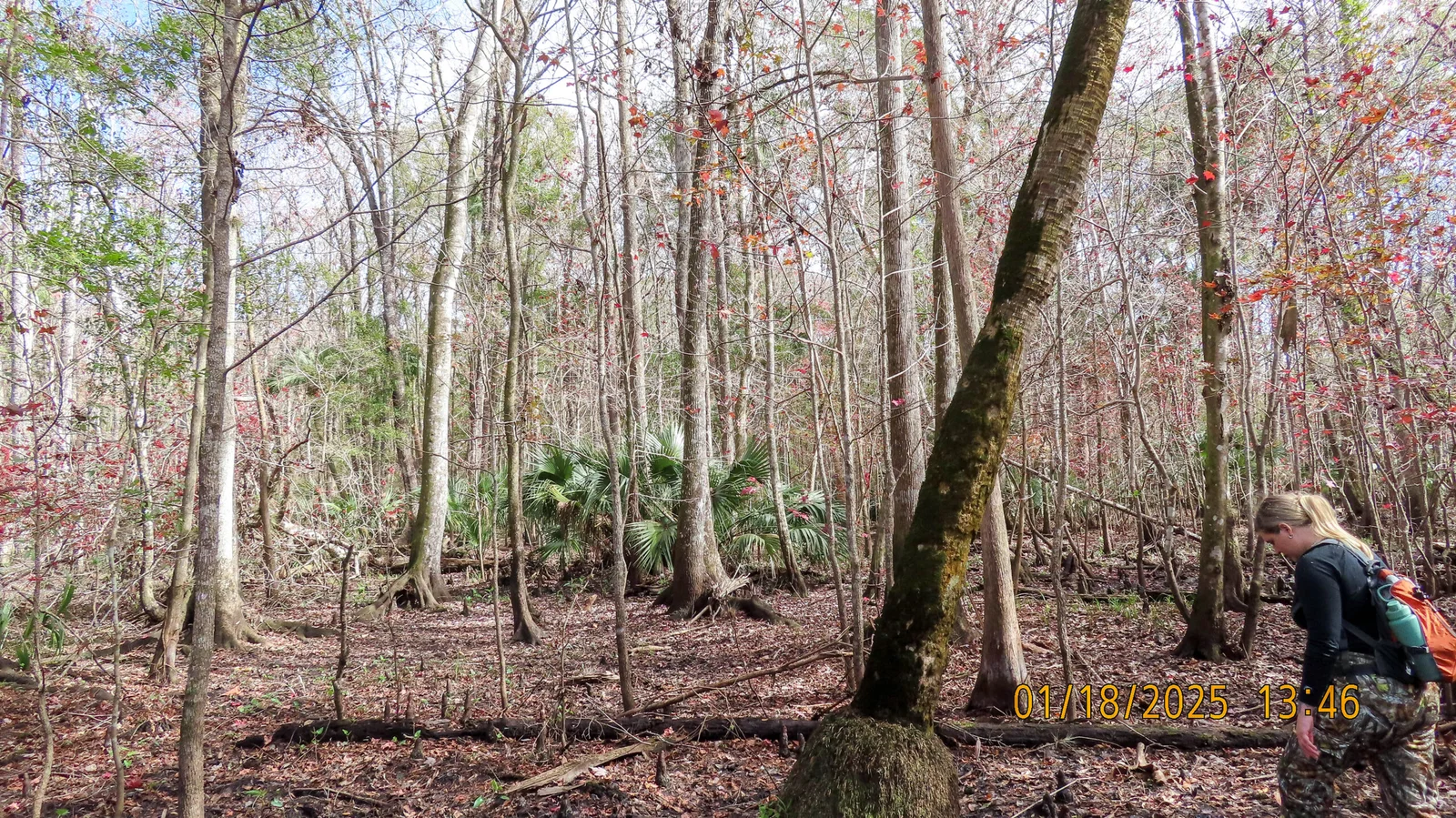
Time in the trees

The forest does more than hold our research — it holds us. Tap a card to read more.

Hug a Tree

If you are feeling anxious, sad, or drained, try hugging a tree and allow her a vast amount of grounding energy to assist you.

Knowing Peace

"A tree does not say to itself, by the age of 30 I want this many leaves, to be this tall, this wide, to drop this many seeds, to know this many other trees. It does not rush. It does not beat itself up, put itself down, doubt, or despair. A tree just grows. This is why a tree knows peace." — Jaiya John, Daughter Drink This Water

Nature and our Well-Being

The stress of an unpleasant environment can cause you to feel anxious, or sad, or helpless. This, in turn, elevates your blood pressure, heart rate, and muscle tension and suppresses your immune system. A pleasing environment reverses that.

Kerr City

Located off CR 316 between Salt Springs and Fort McCoy, Kerr City was established in 1884 and was the second town in Marion County. By 1905, it was deserted. The town had a sawmill, general store, pharmacy, school, church, and post office. Before Kerr City became a town it was a large cotton plantation, then a city and orange grove. After two hard freezes in 1894 and again in 1895, the inhabitants had no choice but to move to other towns to make a living.

Electra

Located on 314A and named for the Greek tragedy in the House of Agamemnon. A post office was established in 1882 and closed in 1931. Electra had a general store, school, churches, orange groves, sugar cane, and a large turpentine still. Lake Halford, which had five arms, was located just south of the Electra Cemetery. Lake Halford is now the Woods and Lakes subdivision, with each arm of the original lake boasting a different name.